
Vision issues can appear in a variety of ways. You might get headaches after just a short time of reading. Maybe you notice words seem to float or swim on the page, or you get dizzy as a passenger in a car. These feelings often point to a specific and treatable condition related to how your eyes work together.
This condition is called Binocular Vision Dysfunction (BVD), and it happens when your eyes have trouble working together as a coordinated team. Our team at Orillia Optometry has experience with BVD and can recommend solutions like prism lenses or vision therapy to help manage your symptoms.
Common Signs of Binocular Vision Dysfunction
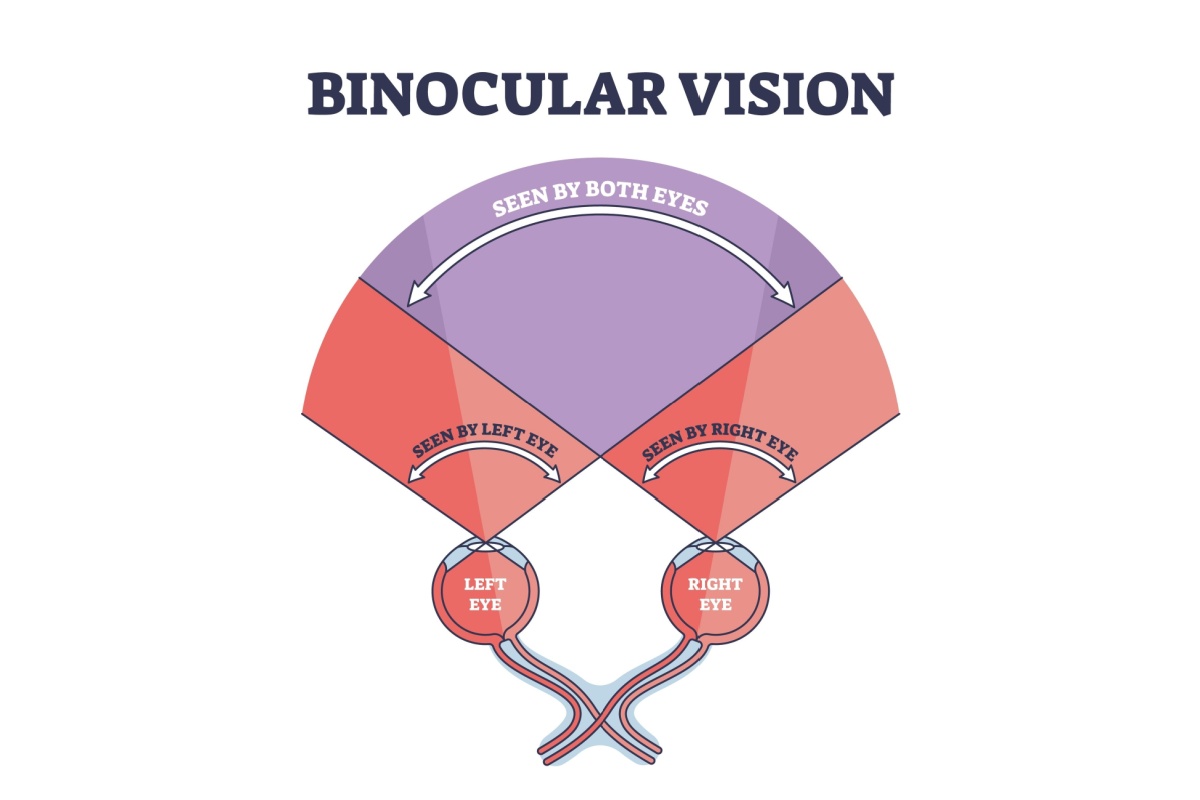
Binocular vision refers to how your eyes work together to send signals to your brain. Binocular vision dysfunction occurs when there is a disruption in this process. Because your eyes and brain are working harder to create a single, clear image, BVD can show up in several ways. You might notice visual, physical, or functional challenges that you haven’t been able to explain.
Visual symptoms can include:
- Blurry or double vision, especially when reading
- Words that appear to move or float on the page
- Losing your place often while reading
- Clumsiness or difficulty with depth perception
Physical symptoms are also common and include:
- Headaches or eye strain after close work
- Tired or sore eyes
- Dizziness or motion sickness
- A habit of tilting your head to see more clearly
These symptoms can affect your performance and concentration. For example, you may find it difficult to focus on reading or computer work, leading you to avoid these tasks. Many of these signs can overlap with other conditions, which is why a complete eye health examination is so important for your vision care.
How an Optometrist Diagnoses Binocular Vision Dysfunction
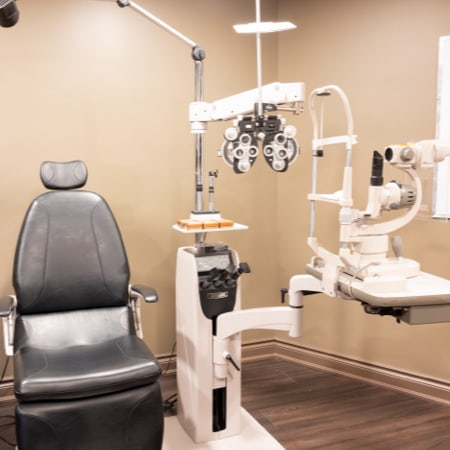
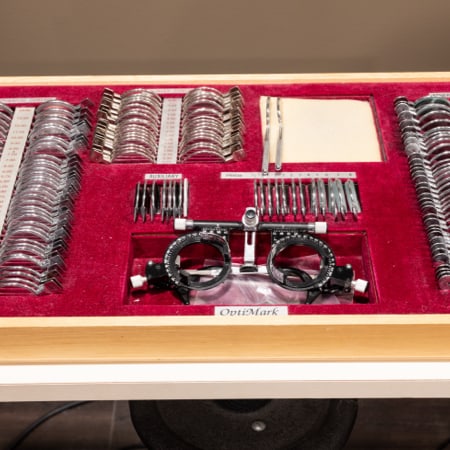
Identifying BVD requires more than a standard eye exam that just checks your prescription. That’s why a comprehensive exam evaluates total eye health. Your optometrist can perform a binocular vision assessment to examine how your eyes function as a team and the entire visual system.
These specialized eye exams may include tests for:
- Eye alignment and teaming ability
- Focusing skills at different distances
- Eye movement and tracking
- Depth perception
- Visual information processing
The results of this assessment help us understand the root cause of your symptoms. This allows for a personalized treatment plan designed to address your specific needs and bring your vision back into comfortable focus.

Treatment Options for BVD
Once an optometrist diagnoses BVD, we can tailor a treatment plan to you. Depending on the type and severity of your condition, the approach may involve specialized lenses, a therapy program, or a combination of both.
Prism Lenses for Eye Alignment
For many people, prism lenses offer significant relief. These don’t have to be a different kind of glasses, as the prism is a specific correction that can be built right into your regular prescription. It works by bending light slightly before it enters your eye, which helps your eyes align without extra effort.
Prism lenses can be a great solution if you have mild alignment issues or occasional symptoms. They help your eyes work together more comfortably and can reduce or eliminate headaches and eye strain.
Vision Therapy to Retrain Your Eyes and Brain
For more complex cases, your optometrist may recommend vision therapy. Think of it as physical therapy for your eyes and brain. This scientifically supported treatment is a personalized program of exercises and activities designed to retrain the brain-eye connection.
Vision therapy is conducted in-office with activities to practice at home. While vision therapy is more effective for younger people, this approach is often helpful for those with persistent symptoms or learning difficulties related to visual processing. It addresses the underlying cause of BVD by strengthening the visual skills your eyes need to work together efficiently.
Why a Specialized Assessment Matters
Getting the right diagnosis is the first step toward relief. A trained professional with experience in binocular vision can perform specialized testing that goes beyond a routine eye exam. This helps your treatment plan be appropriate for your situation, not too much and not too little.
A thorough assessment identifies whether prism lenses, vision therapy, or a combination of both would be most effective. Sometimes, a dilated eye exam is used to provide a more detailed view of your overall eye health. With ongoing monitoring, your optometrist can adjust the treatment as your visual skills improve. This personalized approach helps people who have struggled with chronic headaches, reading difficulties, or unexplained clumsiness.
Take the Next Step Toward Clearer Vision
If BVD symptoms sound familiar, you don’t have to keep struggling. Many people live with the effects for years without realizing that a solution exists. A comprehensive binocular vision assessment can finally provide the answers you need.
Our team at Orillia Optometry can perform the necessary tests to understand your visual system and recommend a path forward. An evaluation can determine your specific needs and the most helpful treatment approach. Schedule your assessment online to take the next step.