
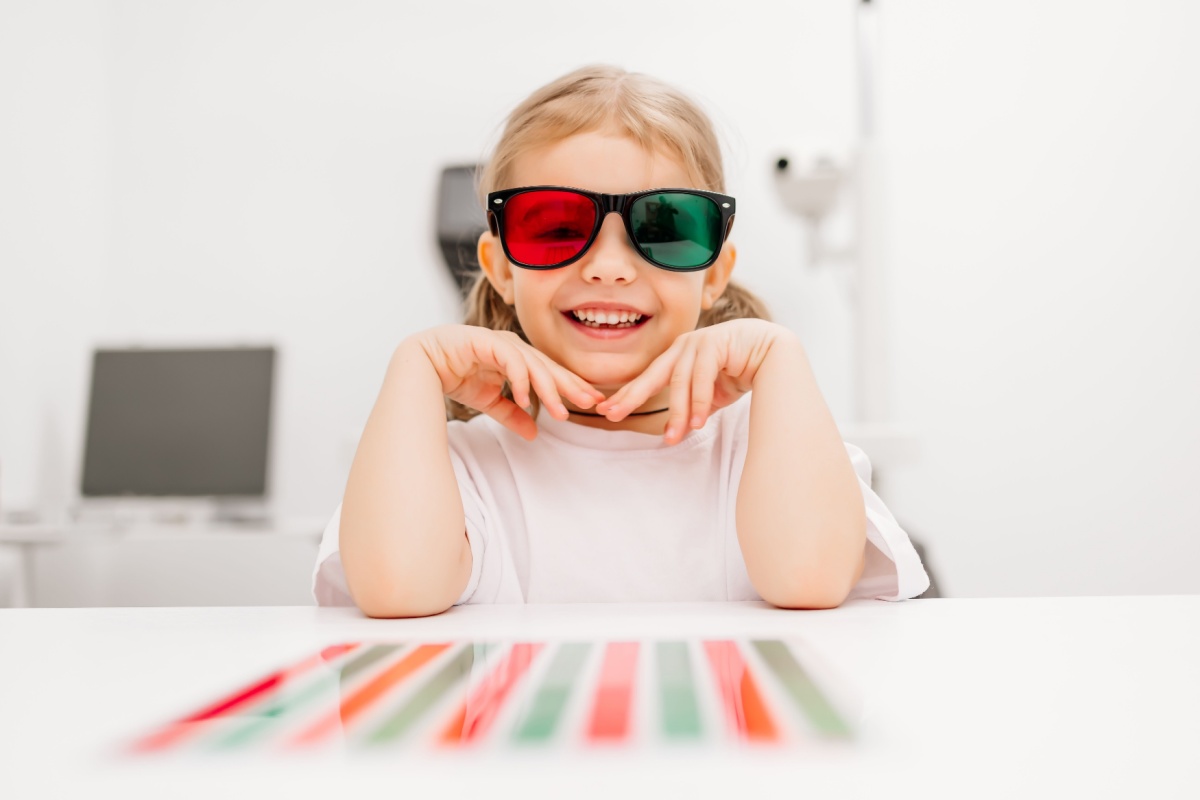
You watch your child struggle with homework night after night, wondering why simple tasks seem so difficult. They can see clearly — their last eye exam confirmed perfect 20/20 vision — yet something still seems off when they try to read or focus on schoolwork.
Orillia Optometry can help children whose eyes see clearly but don’t work together properly, addressing problems with eye coordination, tracking, and visual processing that regular eye exams might miss.
Here are five key signs that indicate your child might benefit from specialized vision therapy care.
Your Child Gets Frequent Headaches & Eye Strain
Your child complains of headaches after finishing homework or during reading time. You notice them rubbing their eyes frequently or blinking hard when looking at books or screens.
These symptoms often point to eye muscle fatigue. When your child’s eyes don’t align properly, the muscles work overtime trying to maintain clear, single vision. This extra effort can cause:
- Headaches after homework or reading time
- Squinting during close work activities
- Eye muscle fatigue from poor alignment
The discomfort typically gets worse as the day progresses, especially after activities that require sustained visual focus.
Reading Skills Don’t Match Clear Eyesight
Your child can identify letters and sound out words perfectly, yet their reading comprehension lags behind their peers. They might read the same sentence multiple times or seem confused by text they should easily understand.
Clear eyesight doesn’t guarantee smooth reading. Your child’s eyes need to track smoothly across lines of text, jump accurately from the end of one line to the beginning of the next, and work together to create a stable image. When these skills don’t function properly, you might notice:
- Skipping lines or losing place while reading
- Poor comprehension despite knowing words
- Words appear to move on page
Visual Processing Problems Can Hide Behind Good Vision
School vision screenings typically check only distance vision — whether your child can see letters on a chart across the room. These basic tests miss many visual skills that affect learning.
Eye teaming problems, tracking difficulties, and focusing issues don’t show up on standard screenings. Your child might pass every school vision test yet still struggle with visual tasks that require comprehensive evaluation.
Eyes Don’t Work Together Properly
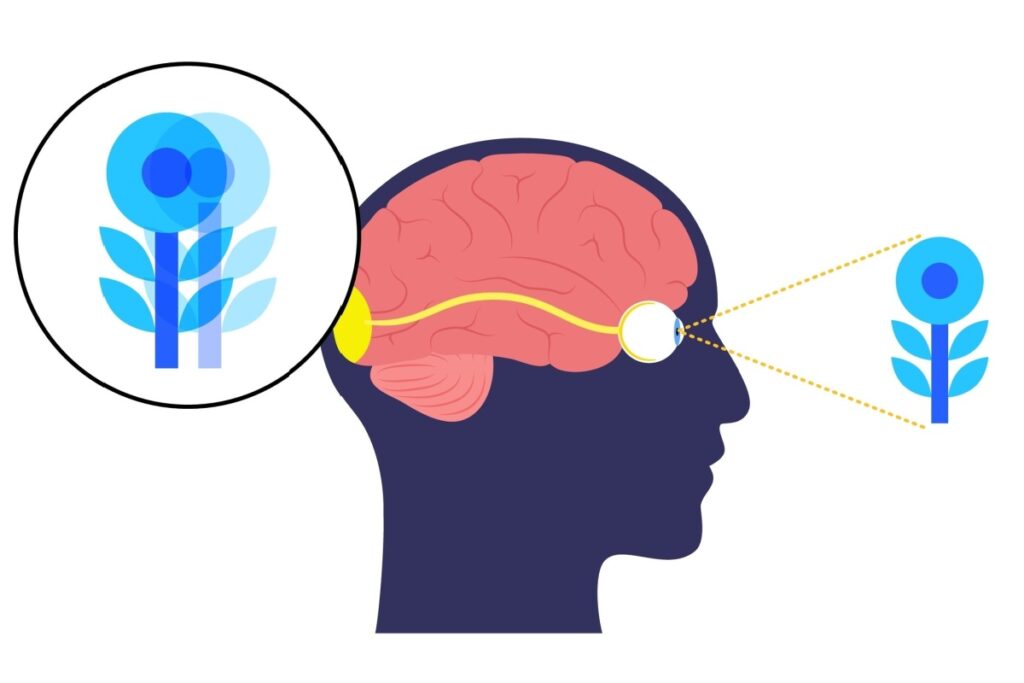
You occasionally notice one of your child’s eyes turning inward or outward, especially when they’re tired or concentrating hard. They might cover one eye while reading or complain that words look blurry or doubled.
Proper eye alignment requires precise coordination between both eyes. When this coordination breaks down, your child’s brain receives conflicting visual information. Common signs include:
- One eye turns in or out occasionally
- Double vision or blurry text complaints
- Head tilting while reading
When Eye Alignment Affects Daily Tasks
Your child’s brain might start suppressing input from one eye to avoid double vision. This coping mechanism reduces visual confusion but creates new problems with depth perception and spatial awareness.
Tasks that require accurate depth judgment become challenging. Learn more about strabismus and eye alignment issues to understand these coordination problems better.
Hand-Eye Coordination Seems Off
Your child struggles with activities that other kids their age handle easily. They miss catches during simple games of catch, have difficulty hitting a baseball, or seem unusually clumsy during everyday activities.
Good hand-eye coordination depends on accurate visual information about object location, speed, and distance. When visual processing isn’t working smoothly, you might observe:
- Trouble catching balls or playing sports
- Messy handwriting despite trying hard
- Frequent spills or clumsiness
Visual-Motor Skills Impact More Than Sports
Poor visual-motor integration affects many daily activities beyond sports and games. Your child might struggle with tasks that require precise visual guidance of hand movements.
These challenges extend to academic and recreational activities. Discover how vision therapy exercises can improve these needed skills through targeted practice.
Your Child Avoids Reading & Close Work
Homework time turns into a battle every evening. Your child finds creative ways to avoid reading assignments and shows a strong preference for activities that don’t require close visual work.
When visual tasks cause discomfort or frustration, children naturally avoid them. This avoidance can manifest as:
- Homework battles become daily routine
- Prefers listening over independent reading
- Emotional outbursts during visual tasks
How Vision Therapy Can Help Your Child
Vision therapy goes beyond regular eye exams to address how your child’s eyes work together and process visual information. This personalized, evidence-based program strengthens the connection between your child’s brain and eyes through structured exercises and activities.
The Vision Therapy Assessment
A comprehensive visual skills assessment evaluates abilities that standard eye exams don’t measure. Testing includes:
- Eye teaming (binocular vision): How well both eyes work together
- Tracking (saccades): Eye movements when jumping from word to word while reading
- Focusing (accommodation): Ability to shift focus between near and far objects quickly
- Visual-motor integration: Coordination between what eyes see and how hands respond
- Visual processing: How the brain interprets and uses visual information
These tests help identify specific weaknesses that contribute to learning difficulties, reading problems, or coordination challenges.
What Vision Therapy Treats
Orillia Optometry’s vision therapy program addresses:
- Eye alignment problems: Strabismus (crossed eyes), amblyopia (lazy eye), and convergence insufficiency
- Visual processing difficulties: Problems with eye tracking, focusing, or eye teaming
- Traumatic brain injury effects: Vision dysfunction following concussions or head injuries
- Learning-related vision problems: Eye coordination issues that affect reading, writing, and academic performance
- Sports vision enhancement: Improving hand-eye coordination and visual awareness for athletic performance
The Treatment Process
Vision therapy involves structured in-office sessions combined with prescribed home exercises. Treatment plans are customized based on your child’s specific visual deficits and progress. Regular assessments track improvement and adjust activities as skills develop.
Unlike glasses or surgery that compensate for vision problems, vision therapy retrains the visual system to function more efficiently on its own.
Get Your Child’s Vision Assessed
If you recognize these signs in your child, schedule a comprehensive visual skills assessment at Orillia Optometry. We’ll evaluate your child’s complete visual system—not just their ability to see clearly—and determine if vision therapy can help develop the visual skills they need for academic success and daily comfort.