
Key Takeaways
- Some changes in or around the eyes can be associated with high cholesterol, but none can confirm it on their own.
- Xanthelasma and corneal arcus may prompt a cholesterol check, while high cholesterol is one of several risk factors associated with retinal vascular disease.
- Sudden vision changes or new dark spots deserve a prompt eye visit.
- A routine eye exam can reveal cholesterol-related changes before other symptoms appear.
- Regular eye exams at Orillia Optometry check more than just your prescription.
You probably think of an eye exam as a vision check. Can you read the bottom row? Do you need a stronger prescription? But the eye is one of the few places in the body where an eye doctor can directly view blood vessels without any invasive testing. That makes your eyes a useful window into your overall health.
High cholesterol can be associated with changes around the eyelids, at the edge of the cornea, or in the retinal circulation. An eye exam may reveal a reason to discuss cardiovascular risk testing with your primary care provider. From small yellow deposits near your eyelids to changes deep inside the eye, cholesterol can leave real, visible clues. Knowing what to look for starts with keeping up with your regular eye exams.
3 Eye Signs Linked to High Cholesterol
Xanthelasma: Yellow Deposits Around the Eyes
You might notice small, soft, yellowish patches forming near the corners of your eyelids or along the bridge of your nose. These are called xanthelasma. While they generally don’t cause any discomfort or affect your vision, they are worth paying attention to.
Xanthelasma consists of cholesterol-rich deposits beneath the skin, but it can occur in people with normal or elevated blood lipids. Because appearance alone cannot determine your cholesterol level, new patches are a reasonable reason to check in with your healthcare provider.
Arcus Senilis: A Ring Around the Cornea
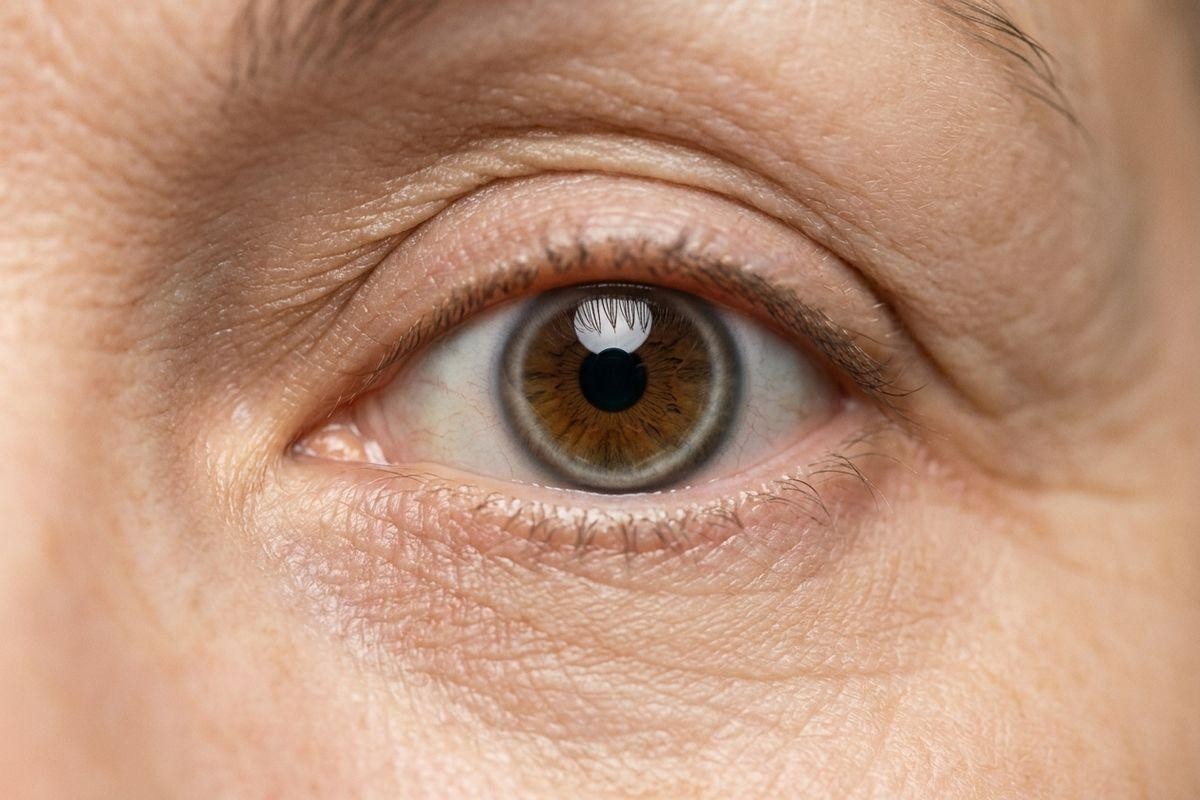
This one shows up as a blue, white, or grey ring around the outer edge of your iris. It doesn’t blur your vision or cause discomfort, so many people don’t even notice it until an optometrist points it out.
Arcus senilis is fairly common in adults over 60, where it’s less of a concern. When it appears in a younger adult, it may prompt a clinician to recommend cholesterol testing or a broader cardiovascular risk assessment.
Retinal Vein Occlusion: Blocked Blood Flow
Inside your eye, a network of tiny blood vessels supplies the retina. When one of those vessels gets blocked, it’s called retinal vein occlusion. You might notice blurry vision, sudden dark spots, or a shadowy area in part of your visual field.
Retinal vein occlusion is associated with several cardiovascular risk factors, including high blood pressure, diabetes, and abnormal blood lipids. It’s not something to wait on. Any sudden shift in your vision deserves a same-day call to your optometrist.

Symptoms That Call for an Eye Visit
Some changes in your vision are easy to shrug off. A bit of tiredness, a long day at a screen. But certain symptoms go beyond normal eye fatigue. These deserve a visit sooner rather than later:
- Sudden vision loss
- New floaters or dark lines moving across your vision
- A dark or shadowy patch that wasn’t there before
- Any noticeable change in how clearly or fully you see
These aren’t always cholesterol-related, but they’re always worth checking out. If you’re experiencing any of these, emergency eye care is available, so you don’t have to wait and wonder.
How an Optometrist Can Spot Cholesterol Changes
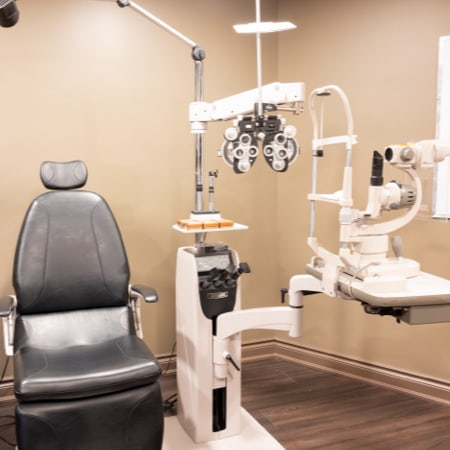
During a thorough eye exam, your eye doctor can examine the blood vessels at the back of your eye with a level of detail that most other health checkups don’t offer. A dilated retinal examination and, when appropriate, retinal imaging can reveal vascular changes, deposits, bleeding, or other findings that warrant medical follow-up. Retinal imaging is one of the tools that helps make this kind of early detection possible.
Finding a concerning sign does not diagnose high cholesterol, but it can lead to timely testing or follow-up with your family doctor. Cholesterol management decisions should be based on medical assessment and bloodwork.
Why Regular Eye Exams Matter
At Orillia Optometry, routine eye exams go beyond checking your prescription. Our team looks at the full picture of your eye health, including the blood vessels and structures that can reflect what’s happening in the rest of your body.
If something looks like it needs further investigation, we can refer you to the right provider. Eye health and overall health are connected, and keeping up with your eye exams is one of the more practical ways to stay on top of both.
Steps That Support Your Eye and Overall Health
Your primary care provider can recommend a cholesterol-management plan based on your overall cardiovascular risk. Common parts of that plan may include:
- Choosing a heart-healthy eating pattern that emphasizes vegetables, fruit, whole grains, legumes, and appropriate sources of unsaturated fat.
- Getting regular physical activity at a level that is appropriate for your health and medical advice.
- Scheduling routine eye exams to help catch changes before they become harder to manage.
Managing cholesterol isn’t just about your heart. It can also help protect your long-term vision. The two are more connected than most people realize. A few simple habits can go a long way toward keeping both your eyes and your overall health in good shape.
Caring for Your Vision and Wellness
Orillia Optometry has been serving the Orillia, Ontario, community with comprehensive vision care for years. If you’re due for an eye exam, or if you’ve noticed any changes around or in your eyes, reaching out to our team is a straightforward next step. Your eyes can tell a lot about your health, and regular exams are one of the simplest ways to stay informed.