

Tiny oil glands line the edges of your eyelids, and most people never think about them. When one clogs, your eyes can start to feel sore in ways that are easy to blame on being tired. We see this often during adult and senior eye exams, sometimes in patients who came in for a different reason.
You may have a blocked meibomian gland if your eyes feel gritty or burn more as the day goes on, and the edges of your eyelids look red or crusty. An optometrist can confirm it with a closer look and explain your options for dry eye treatment if you need it.
What Meibomian Glands Do for Your Eyes
Your upper and lower eyelids each hold dozens of small oil glands, called meibomian glands, that sit just behind your lashes. Each time you blink, they release a thin film of oil onto your tears. That oil slows evaporation and helps your eyes stay comfortable between blinks.
If the oil gets too thick or the openings plug up, you end up with meibomian gland dysfunction, or MGD. It’s a frequent cause of dry, irritated eyes.
Signs and Symptoms of a Blocked Meibomian Gland
Your eyes may feel fine in the morning and get sorer as the hours go by. Pay attention to sensations like these:
- A gritty or sandy feeling
- Burning or stinging
- Irritation that flares up in wind or air conditioning
- Watery eyes, even though they feel dry
That last one surprises many people. When the surface of your eye dries out, it can reflexively make extra tears.
Other signs are easier to spot in the mirror. Check for:
- Red eyelid edges
- Swollen eyelids
- Crusty or sticky lashes after you sleep
- Blurry vision that clears up when you blink
- Contact lenses that feel less comfortable than they used to
Early on, you may not notice much of anything. Stay on schedule with regular eye exams so your optometrist can look at your glands before symptoms start to bother you.
What Causes a Blocked Meibomian Gland?
The oil your glands make can thicken with age, and hormone changes may play a part too. So can certain medications, such as antihistamines and antidepressants.
Your daily routine matters as well. People tend to blink less often while they’re looking at a computer or phone for a long time, so the glands release less oil. Dry indoor air can make things worse, especially when the furnace runs all winter.
Health Conditions Linked to Blocked Glands
Some health conditions show up more often in people with MGD. These include:
- Rosacea
- Seborrheic dermatitis
- Allergies
- Autoimmune conditions
Wearing contact lenses can raise your risk too, so let your optometrist know if you wear them.
Why Blocked Glands Deserve Attention
Blocked glands can contribute to dry eye disease and blepharitis, which is inflammation of the eyelids. You may also develop styes or chalazia, small lumps on the lid that can keep coming back.
Over time, eyelashes can start growing inward. Long-term dryness may also scar the cornea, the clear front surface of your eye, and affect how well you see. Bring up even mild irritation at your next appointment.
How to Unclog Meibomian Glands at Home
A few daily habits can help loosen the oil and keep it moving. Try adding these to your routine:
- A warm compress or heated eye mask over closed lids for 10 to 15 minutes
- A gentle eyelid massage right after the compress
- Lid wipes or a mild cleanser along the lash line
- Foods or supplements with omega-3 fatty acids
- A humidifier in rooms where you spend a lot of time
Test the temperature of any compress on your hand before it touches your eyelids. The skin there is thin and burns easily.
In-Office Options an Optometrist May Discuss
Home care doesn’t always give enough relief on its own. In that case, your optometrist may bring up options such as:
- Gland expression after your lids are warmed
- Intense pulsed light (IPL) therapy, which may help with inflammation
- Artificial tears that contain oil
Everyone responds at a different pace, so your optometrist can adjust your plan as needed. Book a visit sooner if your symptoms get worse or something new comes up.
How Optometrists Check for a Blocked Meibomian Gland
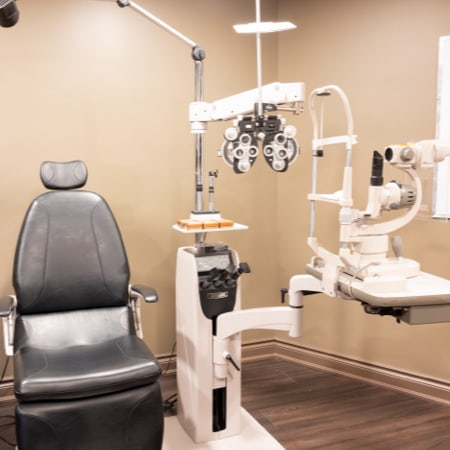
Expect a few questions first about your health and daily routine, including screen time and whether you wear contacts. Your optometrist then uses a slit lamp, which is a microscope with a bright light, to look closely at your lid edges and the tiny gland openings.
They may also press gently on your eyelid to see what comes out. Clear oil is a good sign. If the oil looks cloudy or thick, or if nothing comes out at all, the gland may be blocked.
Another test measures how quickly your tear film breaks up after you blink. When tears dry out fast, the oil layer may be too thin.
Talk to an Optometrist About Your Eyelids
You don’t have to live with eyes that feel sore and scratchy by the end of every day. Orillia Optometry offers vision care for patients of all ages, along with eyewear and contacts fitted to how you spend your days.
Book an appointment and we’ll check your eyelids and glands. Then we can talk through options that fit your routine.